Best Hotel Costa Rica 2025: Top Stays Ranked and Reviewed
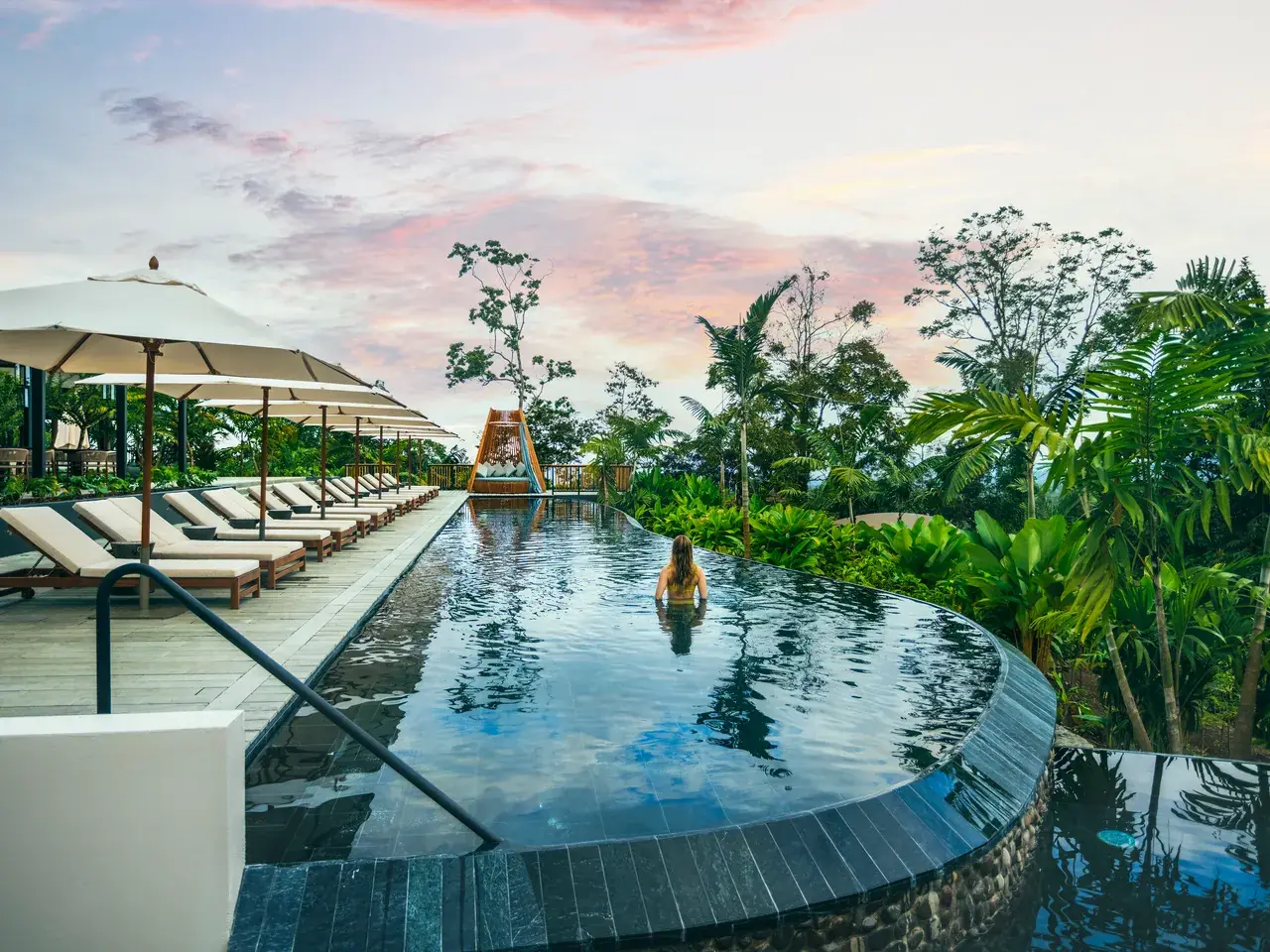
Finding the best hotel Costa Rica offers comes down to matching your itinerary to the right microclimate, because a five-star cliffside suite in Guanacaste feels nothing like an eco-lodge outside Arenal. On my last scouting trip between Liberia and the Osa Peninsula, I watched travelers check out of a $900-a-night beach resort early simply because they underestimated the three-hour drive to the nearest cloud forest. You get much better value when you pick properties based on regional logistics, seasonal rate swings, and verified sustainability credentials rather than glossy pool photos alone.
What Makes the Best Hotel Costa Rica Has to Offer
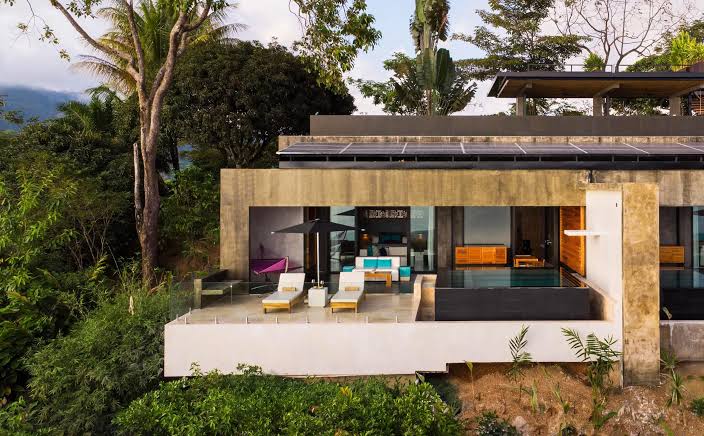
A standout Costa Rican property balances raw nature access with reliable infrastructure, which is harder to pull off in the tropics than most booking sites admit. High humidity, steep mountain roads, and remote power grids test hotel operations every single day.
Judging service, location and value
When I audit properties for our rankings, I look past thread counts and examine staff-to-room ratios, road access during rainy months, and true all-in pricing. According to the Costa Rican Tourism Board (ICT), properties holding top-tier Certification for Sustainable Tourism (CST) ratings consistently outperform uncertified competitors on local staffing and water management.
Look closely at transfer times and hidden fees
Many luxury properties quote transfer times based on dry-season highway speeds, yet afternoon rainstorms between May and November can add ninety minutes to a coastal drive. Always check whether the nightly rate includes the mandatory 13% Costa Rican value-added tax (IVA) and local resort fees before comparing final totals.
Verify on-site naturalist guides and private reserves
The top lodges employ full-time resident biologists rather than outsourcing tours to third-party operators in town. Having a private trail network right outside your cabin saves hours of van transit and gives you dawn wildlife access before day-trippers arrive.
Why one hotel rarely suits every traveller
Costa Rica packs twelve distinct ecological zones into a country smaller than West Virginia, so a single base camp forces exhausting day trips. Families traveling with toddlers need calm Pacific coves and interconnecting villas, whereas wildlife photographers want primary rainforest canopy access at 5:30 AM. If you love European coastal escapes like luxury hotels costa blanca, you will find Costa Rica’s Pacific coast far wilder and less manicured, with gravel access roads leading straight to five-star lobbies.
Our Picks by Region and Budget
We split our top recommendations across the country’s main arrival hubs so you can book a realistic route without wasting vacation days in transit.
| Property & Region | Best For | Average Nightly Rate (USD) | Standout Feature |
| Four Seasons Peninsula Papagayo (Guanacaste) | Ultra-luxury families | $1,450 – $2,800 | Dual-beach access and Arnold Palmer golf |
| Nayara Springs (Arenal / La Fortuna) | Adults-only romance | $950 – $1,600 | Private thermal plunge pools fed by volcano springs |
| Hotel Belmar (Monteverde) | Cloud forest eco-luxury | $380 – $620 | Carbon-neutral farm-to-table dining and private reserve |
| Finca Rosa Blanca (Central Valley) | First/last night convenience | $260 – $410 | Organic coffee plantation 25 minutes from SJO |
Best splurge in Guanacaste
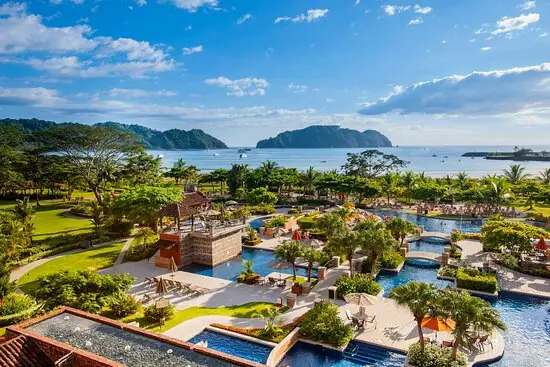
Peninsula Papagayo remains the gold standard for effortless Pacific luxury because its paved private roads and calm bay waters eliminate rough-surf headaches. Four Seasons Resort Costa Rica at Peninsula Papagayo sits on a narrow isthmus with Playa Blanca on one side and Playa Virador on the other, giving guests calm swimming water regardless of wind direction. Travelers who usually gravitate toward Mediterranean glamour at luxury hotels costa smeralda sardinia appreciate Papagayo’s yacht marina, private beach clubs, and polished concierge desk.
What justifies the four-figure nightly tariff
You are paying for zero friction in a region where infrastructure can be unpredictable, backed by four restaurants, a dedicated surf concierge, and complimentary non-motorized water sports. Service stays sharp even during peak Christmas week when neighboring Guanacaste resorts feel visibly stretched.
Who should skip Peninsula Papagayo
If you want authentic local sodas (family-run eateries) within walking distance of your lobby, this gated peninsula will feel too insulated. Budget-conscious travelers can also find similar dry-forest wildlife thirty minutes south near Playa Hermosa for half the price.
Best value near San José and the Central Valley
Most international flights land at Juan Santamaría International Airport (SJO) late in the afternoon, making an immediate drive to the coast risky after dark. Finca Rosa Blanca Coffee Farm and Inn sits in the highlands of Heredia just twenty-five minutes from the terminal, surrounded by shade-grown Arabica coffee plants and cloud-forest views.
Smart overnight logistics before heading to the coast
Booking your first and final nights in the Central Valley protects your itinerary against flight delays and early morning departures. At Finca Rosa Blanca, rooms feature hand-painted murals, volcanic spring-fed pools, and an included organic coffee tour that introduces you to Costa Rican agriculture before you hit the road.
Jungle Lodges vs Beach Resorts

Choosing between rainforest immersion and oceanfront relaxation is the classic booking dilemma here, and the operational differences between the two styles are huge.
What each does better
Jungle lodges around Arenal, Monteverde, and the Osa Peninsula focus on open-air architecture, wildlife spotting from your terrace, and guided night hikes. Beach resorts along the Nicoya Peninsula and Manuel Antonio prioritize expansive pools, sunset cocktail service, and direct sand access.
-
Jungle lodges excel at: Dawn birdwatching, private hot springs, immersive canopy trails, and cooler evening temperatures at higher elevations.
-
Beach resorts excel at: Surf lessons right out front, catamaran charters, air-conditioned suites, and walkable beachfront dining towns.
Combining both in one trip
Splitting a seven-to-ten-day itinerary between three nights in the mountains and four nights on the coast gives you the complete Costa Rican experience without rushing. You can pair an inland volcano lodge like Nayara Springs with one of the top luxury hotels costa rica beach properties in Santa Teresa or Nosara via a 45-minute domestic Sansa flight.
Pack for two completely different climates
Highland lodges around Monteverde drop into the low 60s (°F) at night with steady mist, while Guanacaste beaches regularly hit 92°F by noon. Bring lightweight merino layers and waterproof hiking shoes alongside your swimwear so you are not stuck buying overpriced gear in resort gift shops.
How to Reserve Without Overpaying
Room rates in Costa Rica swing by as much as 45% depending on the month you travel and how far ahead you lock in your dates.
Timing your booking window
High season runs from mid-December through April, when dry skies across the Pacific coast drive occupancy above 85% and force strict minimum-stay rules. For the best hotel costa rica experience at a fair price, book during the “green season” shoulder months of May, June, or early November.
Why May and June hit the sweet spot
Morning skies stay sunny across most of the country during May and June, with brief afternoon showers that cool the air and turn the forests bright emerald. Hotels drop their nightly rates by 25% to 35% during these weeks, and you can often negotiate free room upgrades upon check-in.
Booking lead times for peak holiday dates
If you must travel between December 20 and January 5, reserve your rooms nine to eleven months in advance before standard categories sell out. Independent boutique lodges with fewer than twenty villas routinely book out a full year ahead for Easter week (Semana Santa).
Packages that actually save money
Standard room-only bookings often leave you paying premium rates for private airport transfers and guided park entries once you arrive. Look for direct hotel packages that bundle round-trip ground transfers, daily breakfast, and at least two guided excursions.
Check direct booking perks against third-party portals
Many independent Costa Rican hotels offer a “best rate guarantee” plus a $100 spa or dining credit when you reserve directly through their website. Always email the reservations desk directly before clicking pay on a third-party aggregator, as local teams frequently throw in complimentary private transfers for stays of four nights or longer.
Frequently Asked Questions
What is the best hotel Costa Rica offers for first-time visitors?
Nayara Springs in Arenal and Four Seasons Peninsula Papagayo in Guanacaste top the list for first-time visitors because both combine reliable five-star infrastructure with easy wildlife access. Splitting your stay between these two regions lets you experience rainforest hot springs and calm Pacific beaches in one smooth trip.
How many days should I stay at a Costa Rica beach resort?
Four to five nights is the ideal length for a coastal stay, giving you enough time for a surf lesson, a boat excursion, and genuine pool downtime. Adding three inland nights near a volcano or cloud forest rounds out a balanced week-long itinerary.
Are all-inclusive resorts worth it in Costa Rica?
All-inclusive resorts make sense in remote areas like the Papagayo Peninsula where outside restaurants require a long taxi ride, especially for families. In lively beach towns like Tamarindo, Nosara, or Manuel Antonio, booking a bed-and-breakfast rate lets you enjoy much better local seafood restaurants at half the cost.
When is the cheapest month to book a luxury hotel in Costa Rica?
September and October offer the lowest nightly rates across the Pacific coast, though heavy afternoon rains mean some boutique lodges close for annual maintenance. May and November provide a much better balance of lower prices and manageable weather.