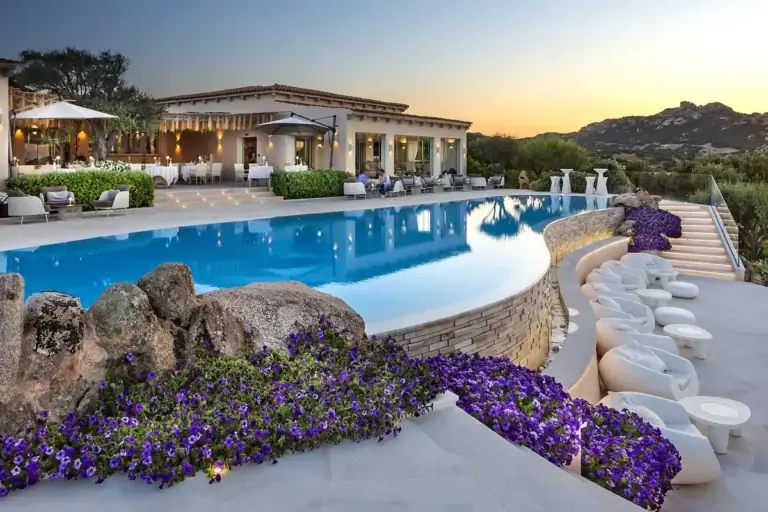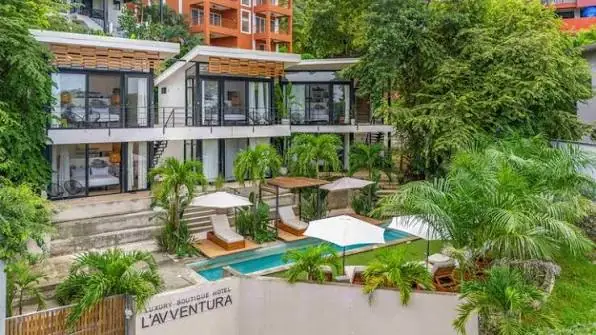
Boutique Hotel Costa Rica for Sale: Investor & Buyer’s Guide
Evaluating a boutique hotel costa rica for sale listing takes far more due diligence than browsing glossy sunset photos on international property portals. When I toured seven small hospitality properties up for acquisition between Guanacaste and Uvita last year, I noticed that two properties with identical ten-room counts had wildly different valuations solely because one held a permitted deep-water well and a municipal liquor license while the other lacked both. You protect your capital when you look past asking prices and inspect title status, audited occupancy logs, and local operating permits before signing a letter of intent.
What a Boutique Hotel Costa Rica for Sale Listing Really Involves
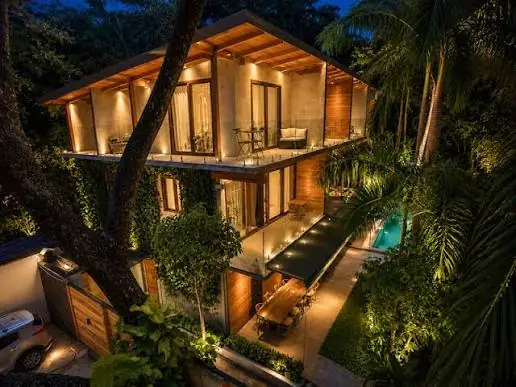
Most hospitality listings on the market are owner-operated businesses ranging from six to twenty-five keys, often sold as a turnkey share transfer of a Costa Rican holding corporation. Understanding how regional pricing and asset packages work keeps you from overpaying for goodwill that walks out the door with the seller.
Typical asking prices by region
Valuations swing dramatically based on proximity to international airports, paved road access, and titled beach frontage.
| Region | Typical Room Count | Asking Price Range (USD) | Primary Demand Driver |
| Guanacaste Coast (Tamarindo, Nosara, Potrero) | 8 – 18 keys | $1,350,000 – $3,800,000 | Dry winter weather and Liberia airport proximity |
| Central Pacific (Jacó, Manuel Antonio, Dominical) | 10 – 22 keys | $995,000 – $4,500,000 | Year-round surf, national parks, and weekend San José traffic |
| South Pacific (Uvita, Ojochal) | 6 – 14 keys | $750,000 – $2,995,000 | Eco-luxury jungle retreats and lower land basis |
| Central Valley & Arenal (La Fortuna, Atenas) | 10 – 20 keys | $850,000 – $2,400,000 | Thermal springs, volcano tours, and overnight flight stopovers |
Entry-level owner-operator lodges ($750,000 to $1.5 million)
Properties in this bracket usually sit ten to fifteen minutes inland from the coast or on steep gravel ridges in Uvita and Atenas, often including an on-site owner’s residence. Buyers at this tier typically step into hands-on management to keep payroll lean.
Turnkey coastal boutique hotels ($1.8 million to $4.5 million)
Walk-to-beach properties in Tamarindo, Santa Teresa, or Manuel Antonio command higher multiples because buildable coastal land is scarce. These assets generally include commercial restaurant kitchens, full-time management staff, and established online travel agency (OTA) review histories.
What’s included in the sale
A turnkey commercial acquisition in Costa Rica rarely covers just bricks and mortar, yet sellers define “turnkey” very differently across contracts.
Tangible assets and operating infrastructure
Most sales transfer the land, buildings, furniture, commercial kitchen equipment, backup power generators, and existing booking software accounts. Always request an itemized inventory list before closing so sellers do not remove personal artwork, vehicles, or laundry machinery.
Corporate shares vs asset purchases
Brokers frequently structure deals as a transfer of shares in the existing Sociedad Anónima (S.A.) holding company, which saves on property transfer taxes and keeps municipal business patents active. However, buying corporate shares means you also inherit any hidden tax liabilities or unpaid employee severance obligations unless your attorney drafts strict escrow holdbacks.
Where Buyers Are Looking Right Now
Investor demand has shifted away from massive concrete developments toward low-density, wellness-oriented properties that command high average daily rates. According to the Costa Rican Tourism Board (ICT), international air arrivals hit record highs recently, fueling strong room-rate growth across established eco-tourism corridors.
Beach towns with strong occupancy
Coastal towns with reliable fiber internet and walkable dining attract digital nomads during shoulder months alongside winter holiday families.
Nicoya Peninsula and Guanacaste hubs
Santa Teresa, Nosara, and Playa Potrero remain top targets because dry-season occupancy routinely clears 80% from December through April. Buyers familiar with mature European resort markets around luxury hotels costa blanca often gravitate toward Guanacaste first because paved highways and private marinas simplify supply chains and guest arrivals.
South Pacific growth corridors
Uvita and Ojochal draw buyers priced out of northern beach towns who want larger jungle lots, ocean views, and room to add extra casitas. While seasonal rain slows autumn bookings here, lower acquisition costs allow profitable operations on fewer occupied nights.
Jungle properties near established tourism routes
Inland lodges around La Fortuna and Monteverde benefit from steady year-round tour traffic that does not rely purely on beach weather.
Volcano and cloud-forest lodges
Properties near Arenal Volcano with natural geothermal water concessions or private biological trails generate strong ancillary revenue from guided night walks and spa packages. Investors comparing tropical eco-lodges with Mediterranean coastal assets near luxury hotels costa smeralda sardinia appreciate that Costa Rica’s inland lodges enjoy two distinct high seasons (North American winter and European summer) rather than one short summer window.
The Legal and Financial Side of Buying
Foreign nationals enjoy the exact same constitutional property ownership rights as Costa Rican citizens, yet coastal zoning and municipal licensing carry strict rules that can stall an unprepared buyer.
Property rights for foreign buyers
Before wiring an escrow deposit, verify whether the hotel sits on fee-simple titled land or inside the Maritime Terrestrial Zone (ZMT).
-
Fee-simple titled property (Propiedad Privada): Covers roughly 95% of inland and near-beach properties located more than 200 meters from the high-tide line, allowing 100% foreign ownership registered in the National Registry.
-
Maritime Zone concessions (Zona Marítimo Terrestre): Governs the first 200 meters inland from high tide; the first 50 meters are public and unbuildable, while the next 150 meters require a municipal lease concession where foreign buyers generally cannot hold majority voting shares directly without a local partner structure.
Licensing, permits and tax basics
Operating a commercial hotel legally requires active permits from multiple government bodies, and expired paperwork is the single biggest closing delay I see in Costa Rica.
Municipal patents, health permits, and water concessions
Confirm that the seller holds an active Patente Comercial (municipal business license), a current Ministry of Health operating permit (Permiso Sanitario de Funcionamiento), and legal water access through AyA, a local ASADA water board, or a registered well concession from MINAE. Without a registered commercial water letter, you cannot legally expand room counts or renew a hotel license.
Tax obligations and ICT tourism incentives
Commercial hotels collect Costa Rica’s mandatory 13% value-added tax (IVA) on room nights and pay corporate income tax up to 30% on net profits. Properties that apply for a Tourism Declaration (Declaratoria Turística) through the ICT can qualify for exemptions on certain import duties for specialized hospitality equipment.
Evaluating a Hotel Before You Commit
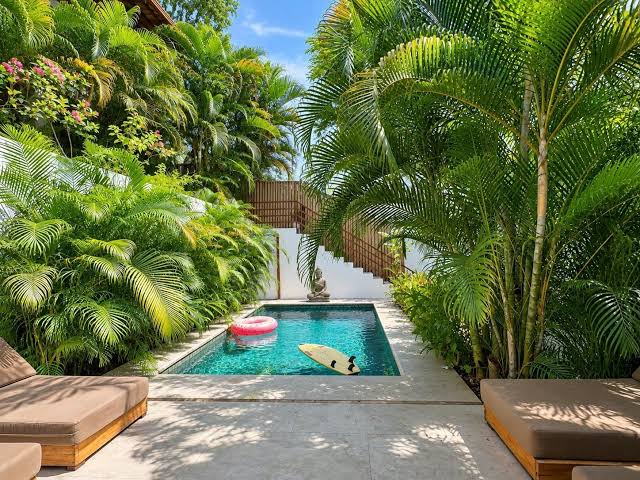
Many small lodges in Costa Rica are run as lifestyle businesses by expat owners who keep informal cash books alongside official tax filings. Separating verifiable profit from seller estimates protects you from overpaying.
Checking occupancy and revenue claims
Never value a property based on projected pro-forma spreadsheets alone; insist on three years of historical performance data.
Cross-check tax returns against OTA payouts
Compare the seller’s monthly Hacienda IVA tax declarations directly against payout statements from Booking.com, Expedia, Stripe, and bank merchant accounts. Look closely at Average Daily Rate (ADR) and Revenue Per Available Room (RevPAR) across both dry and rainy months so you understand winter cash reserves needed to cover slow September and October payrolls.
Audit deferred maintenance and staff liabilities
Salt air, tropical humidity, and heavy rain take a brutal toll on wooden decks, roofs, and septic systems. Hire an independent structural engineer to inspect roof framing and electrical panels, and ask your labor lawyer to calculate accrued employee aguinaldo (mandatory December 13th-month bonus) and severance (cesantía) obligations.
Working with local lawyers and brokers
Costa Rica lacks a single mandatory Multiple Listing Service (MLS), meaning multiple brokers often list the same property at different prices.
Hire an independent real estate attorney
Never share a closing lawyer with the seller or the listing broker. Retain an independent bilingual commercial attorney who conducts a full National Registry title search (estudio de registro), verifies labor compliance with the Caja Costarricense de Seguro Social (CCSS), and holds funds in a licensed SUGEF-regulated escrow account. Even if your long-term goal is building a portfolio rivaling established luxury hotels costa rica beach brands, disciplined legal verification on your first acquisition sets the foundation for safe expansion.
Frequently Asked Questions
Can a foreigner own 100% of a boutique hotel costa rica for sale?
Yes, foreign individuals and foreign-owned corporations can own 100% of fee-simple titled land (propiedad privada) in Costa Rica with the same legal rights as citizens. Restrictions only apply inside the 200-meter Maritime Terrestrial Zone (ZMT) along the coast, where concession leases require specific corporate ownership structures.
How much cash do I need to buy a boutique hotel in Costa Rica?
Most purchases are all-cash transactions because local Costa Rican banks rarely lend to foreign buyers without established local credit and audited domestic corporate tax returns. Plan on budgeting an additional 3.5% to 4.5% above the purchase price to cover transfer taxes, National Registry stamps, notary fees, and escrow charges.
What is a realistic return on investment for a small hotel in Costa Rica?
Well-managed turnkey boutique hotels in established coastal or volcano hubs typically generate net annual cap rates between 6% and 10% after staffing, maintenance, and taxes. Properties with strong direct-booking channels and high-margin food, beverage, or wellness offerings sit at the upper end of that range.
How long does closing take when buying a hotel in Costa Rica?
A standard commercial hotel acquisition takes 45 to 90 days from accepted offer to final closing. Most of that timeline goes toward a 30- to 45-day due diligence window to verify title boundaries, water concessions, municipal patents, and employee labor records.