Understanding the Long Stay Hotel Meaning and Operational Realities
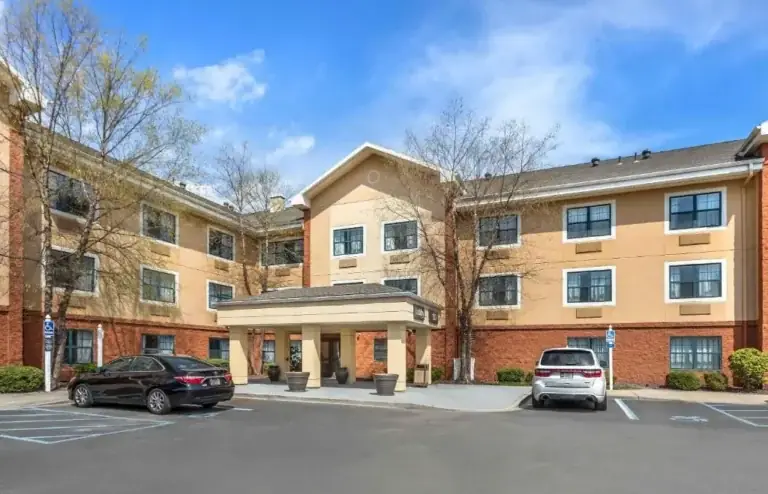
Grasping the exact long stay hotel meaning is essential if you plan on booking a room for a month or longer without burning through your corporate per-diem budget. I spent ten years managing operational transitions for residential hospitality projects across North America and Europe, and travelers are routinely surprised by how these properties differ from standard weekend resorts. When you check into a traditional hotel for thirty days, you pay inflated nightly rates and lack basic cooking appliances. Long stay properties bridge the gap between traditional tourist hotels and conventional residential apartment leases.
Long Stay Hotel Meaning Overview
Key facts to know first
When industry analysts study the long stay hotel meaning, they look at properties designed specifically for guests staying seven nights, thirty nights, or even entire calendar years. According to a 2026 market report by Future Market Insights, the global extended stay sector generates over $68 billion annually due to rising demand from remote professionals and corporate project teams. You cannot treat these locations like ordinary tourist stops because they function as temporary residential apartments. Housekeeping operates on a weekly schedule rather than daily, and the front desk expects you to manage your own meals.
What most people get wrong
First-time renters often assume they can check in for two nights and still secure the heavy monthly discounts meant for long-term project workers. Properties enforce strict minimum stay thresholds, meaning short visits carry steep nightly surcharges. Another common mistake is expecting full-scale hotel amenities like multiple fine-dining restaurants, valet parking, and round-the-clock room service. These properties trade luxury frills for practical utility, focusing on kitchenettes, workspace ergonomics, and self-service laundry rooms.
Structural Layouts and Room Amenities
Evaluating kitchen and appliance inclusions
Unlike standard hotel rooms with a tiny mini-fridge and an electric kettle, long stay suites feature full refrigerators, two-burner stovetops, microwaves, and complete sets of cookware. This setup lets guests maintain dietary routines and save money on restaurant bills during extended assignments. If you want inspiration for outfitting your own living quarters, checking out luxury hotel design ideas shows how architects maximize spatial efficiency in compact footprints. Knowing what appliances come standard prevents awkward grocery unpacking moments on day one.
Managing housekeeping frequency rules
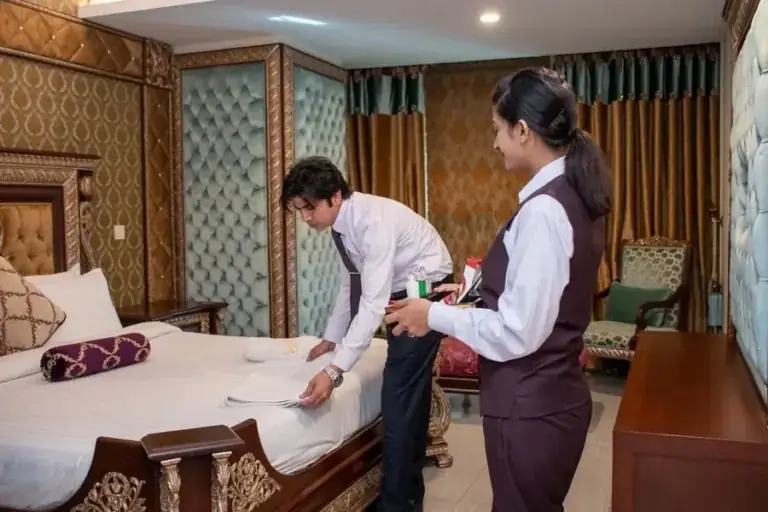
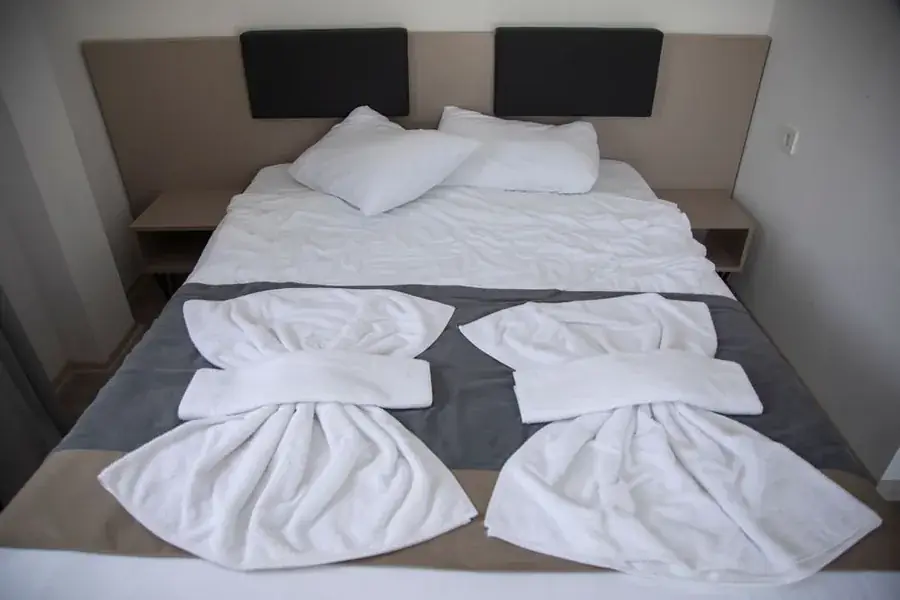
Daily linen changes and turndown services do not exist in long stay properties because management rolls housekeeping into a weekly schedule to keep operational costs low. Guests take responsibility for washing their own dishes, taking out trash, and running basic tidying routines. This autonomous model keeps nightly overhead down and mimics real apartment living. If you appreciate sophisticated interior styling while living away from home, reviewing luxury hotel decoration ideas reveals how designers balance aesthetic elegance with heavy-duty commercial durability.
| Facility Feature | Standard Hotel Room | Long Stay Suite |
| Kitchen Facilities | Mini-fridge & kettle | Full stove & refrigerator |
| Housekeeping Schedule | Daily service | Weekly refresh |
| Storage & Closets | Compact wardrobe | Walk-in or multi-tier closets |
| Onsite Laundry | Expensive valet service | Coin or card-operated guest laundry |
Sourcing durable multi-use furniture
Furniture in long stay properties takes a severe beating from rolling luggage, heavy computer equipment, and continuous occupancy wear. Operators specify contract-grade sleeper sofas, scratch-resistant tabletops, and stain-treated upholstery that survive years of heavy turnover. These commercial choices prevent rooms from looking shabby after just a few months of continuous guest rotation.
Providing communal guest facilities
Because individual suites lack sprawling restaurant complexes, long stay properties often feature communal courtyards, fitness centers, and 24-hour convenience pantries. These shared zones foster a sense of community among long-term guests who might otherwise feel isolated during solo work assignments. Having a secure mail-handling service at the front desk also helps traveling professionals receive packages without hassle.
Pricing Models and Target Audiences

Catering to corporate relocations and project teams
Corporate travelers account for a massive share of long stay occupancy because traditional residential leases require inflexible twelve-month commitments. When an engineer relocates for a six-month factory upgrade or a software consultant joins an offshore team, temporary housing bridges the gap until permanent apartments open up. If you are developing a brand identity for a new property catering to this demographic, reviewing luxury hotel name ideas indian offers great inspiration for naming conventions that appeal to modern business travelers. Companies prefer these hybrid spaces because they lower travel expenses while keeping employees productive.
Understanding weekly and monthly tier pricing
Pricing structures in the long stay sector operate on a sliding scale where the nightly rate drops significantly once your booking crosses a seven-day or thirty-day threshold. According to data from Grand View Research, direct bookings dominate this sector because travelers actively compare monthly corporate rates against standard online booking agencies. If you check out mid-stay, properties often recalculate your bill using standard short-term daily rates, wiping out your anticipated savings. Reading the fine print on cancellation clauses protects you from sudden financial penalties.
Evaluating contract terms and security deposits
Unlike traditional apartment rentals that require extensive background checks and security deposits equal to three months of rent, long stay hotels keep paperwork minimal. You sign a standard lodging agreement rather than a residential lease, which simplifies check-in for traveling workers. However, failing to provide proper notice before early departure can trigger penalty fees outlined in the fine print.
Managing internet bandwidth and workspace setups
Remote professionals require reliable high-speed Wi-Fi, accessible power outlets near the work desk, and proper task lighting to survive long hours on video calls. Long stay rooms integrate dedicated workstations that isolate the sleeping area from professional duties, preventing burnout during intense project weeks. A well-designed room helps you maintain a healthy boundary between work and rest.
Frequently Asked Questions
What does long stay hotel mean in simple terms?
A long stay hotel is a specialized lodging option designed for travelers staying a week, a month, or longer, featuring apartment-like amenities such as full kitchens and laundry facilities. They bridge the gap between traditional hotels and residential apartment rentals.
Why are long stay rates cheaper for extended bookings?
Properties offer discounted weekly or monthly tiers because longer stays reduce operational turnover costs, cleaning labor, and room vacancy risks for management.
Do long stay hotels offer daily housekeeping?
Most properties provide housekeeping on a weekly basis rather than daily to maintain lower room rates and give long-term guests greater privacy.
Are long stay hotels suitable for families with children?
Yes, because the extra square footage, separate seating zones, and kitchen facilities make it much easier to manage meals and routines for children during relocations.
Conclusion
Understanding the long stay hotel meaning allows you to pick the right accommodation for multi-week travel, corporate relocations, and project assignments. When you understand the operational differences regarding kitchens, weekly cleaning schedules, and tiered pricing, you avoid unexpected lodging surprises. Evaluate your next trip duration before booking to see if apartment-style lodging fits your budget better than a traditional room. Ready to plan your next travel accommodation strategy? Reach out today to consult with our editorial team and map out your property itinerary.